
Peptide



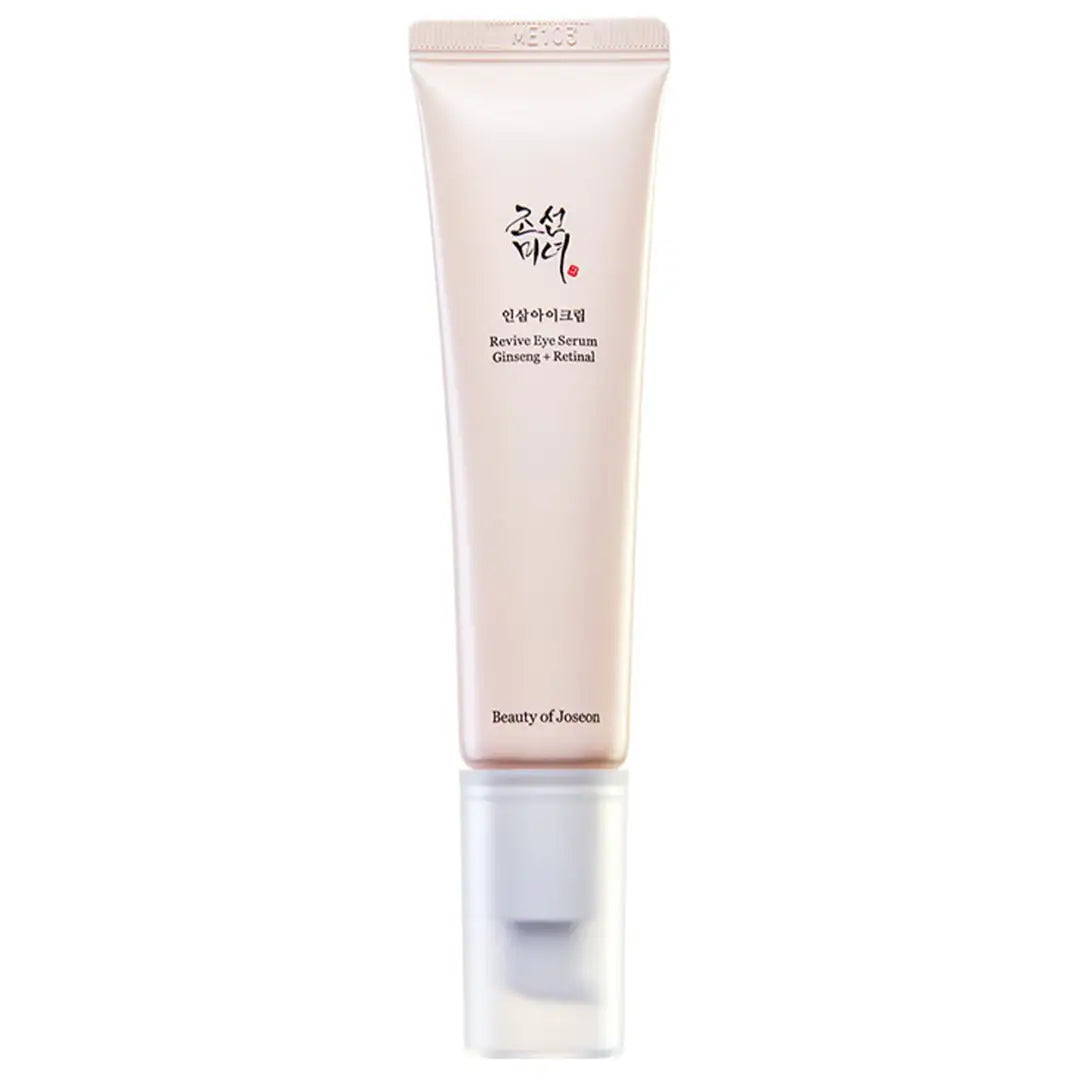


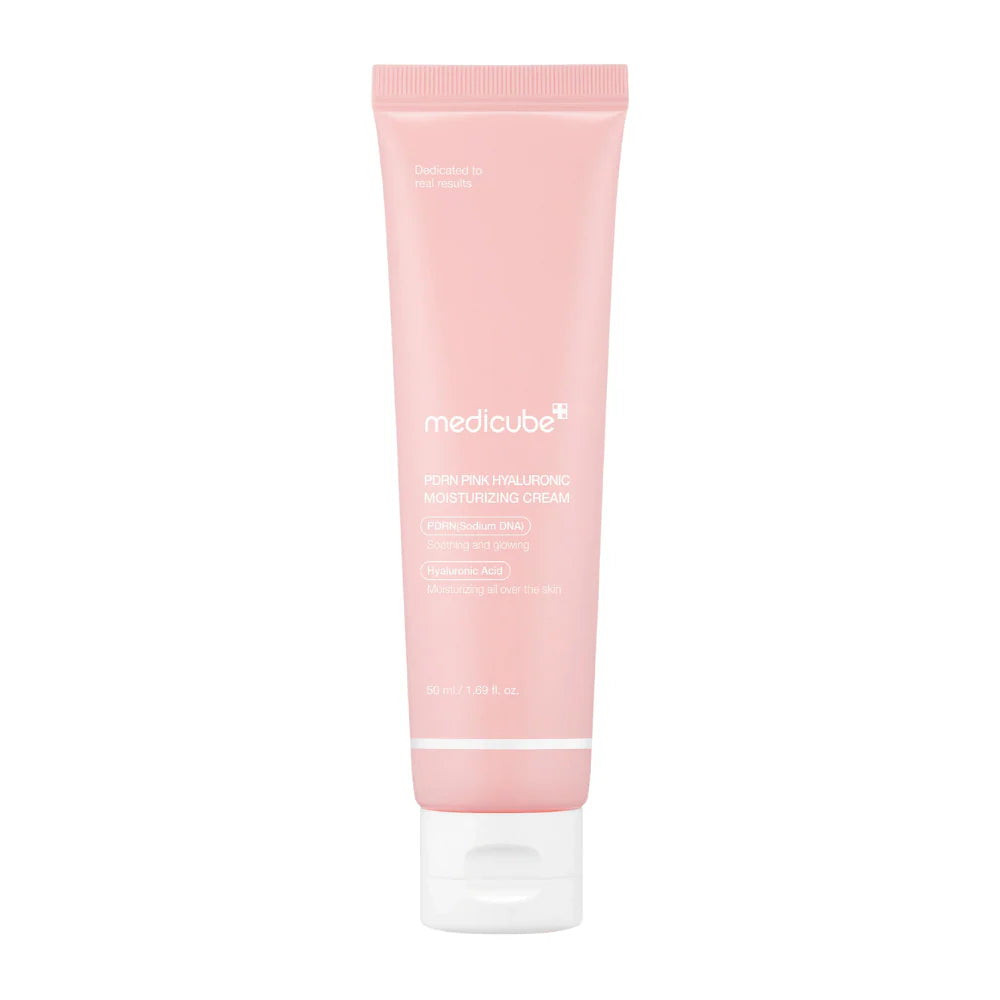
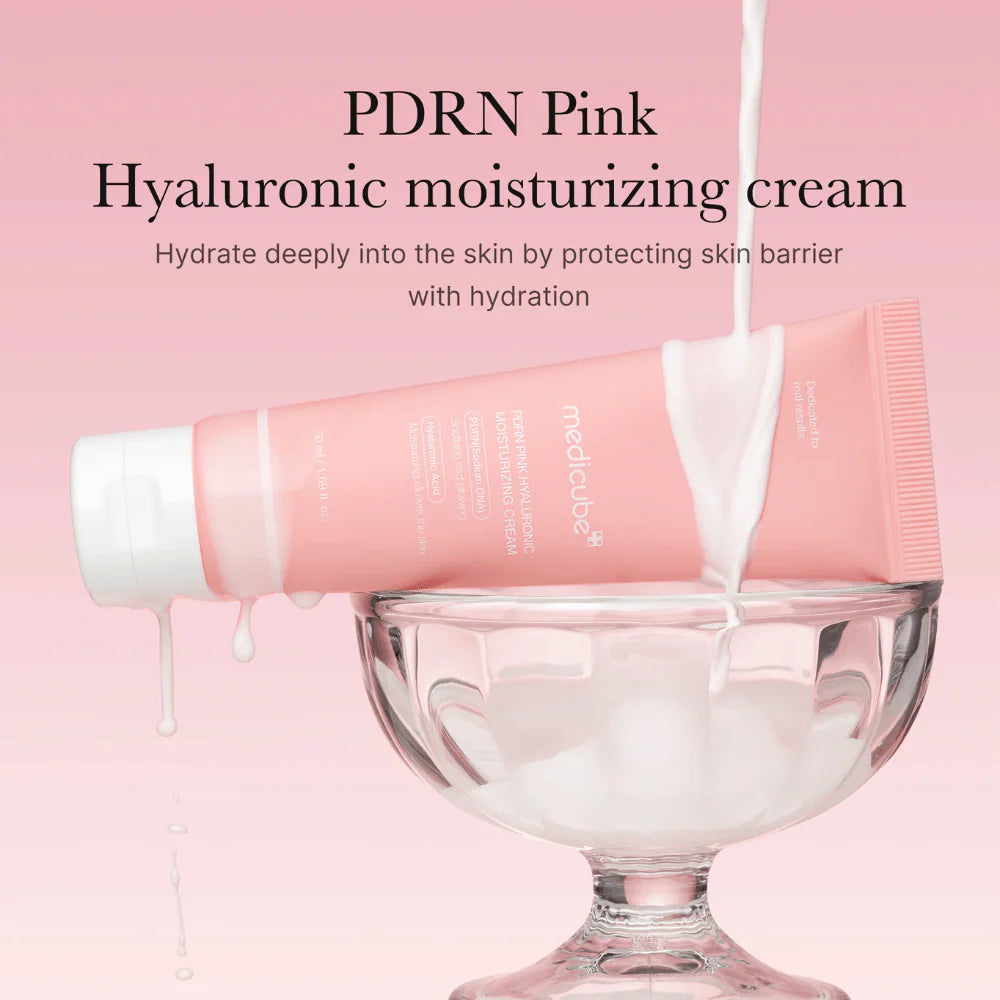
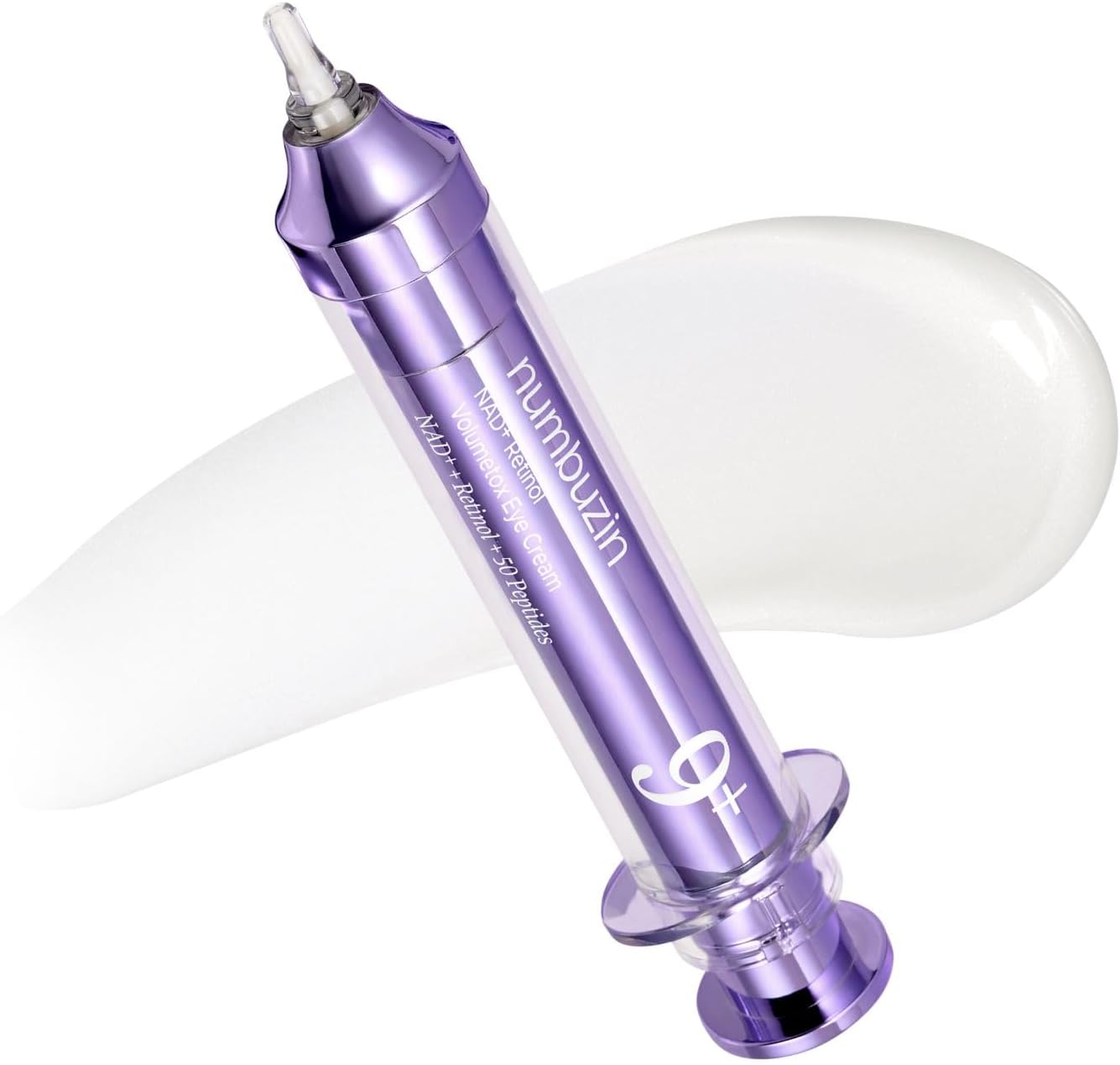
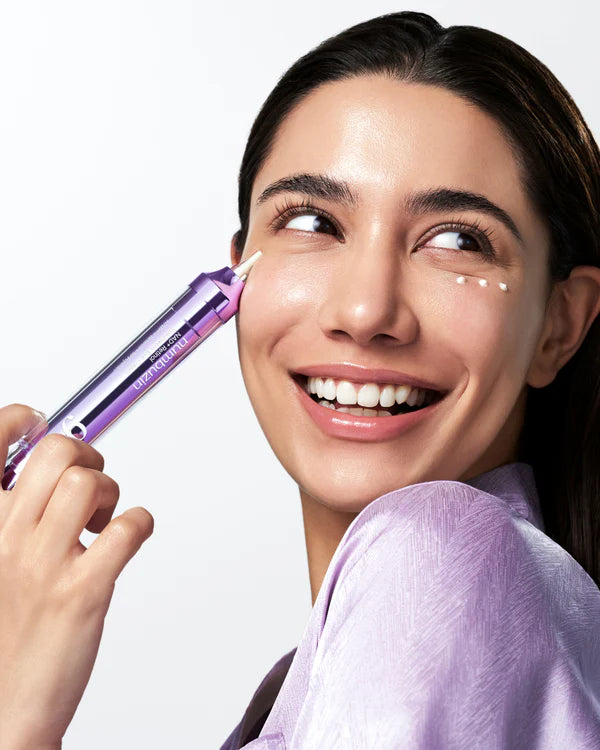
No.9 NAD Retinol Volumetox Eye Cream
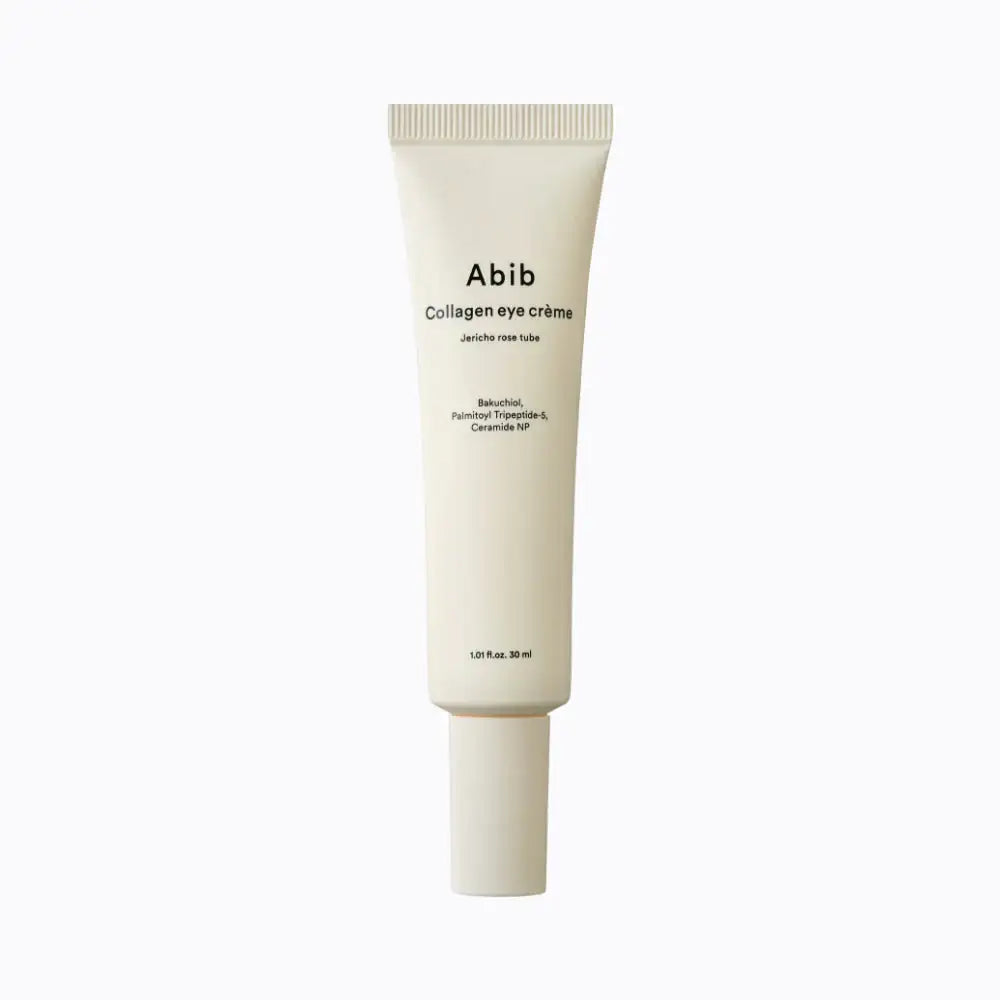
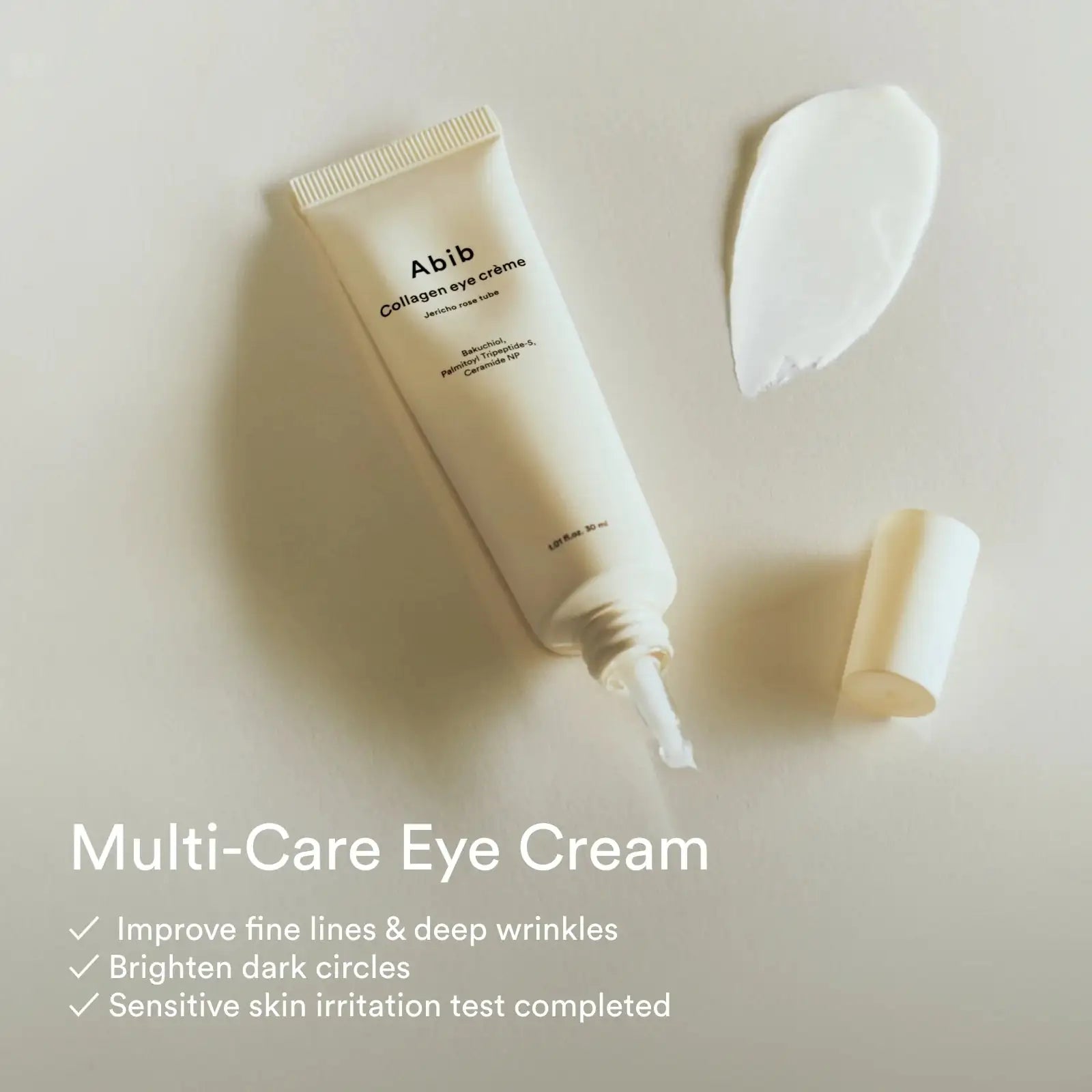
Collagen eye cream Jericho Rose Tube
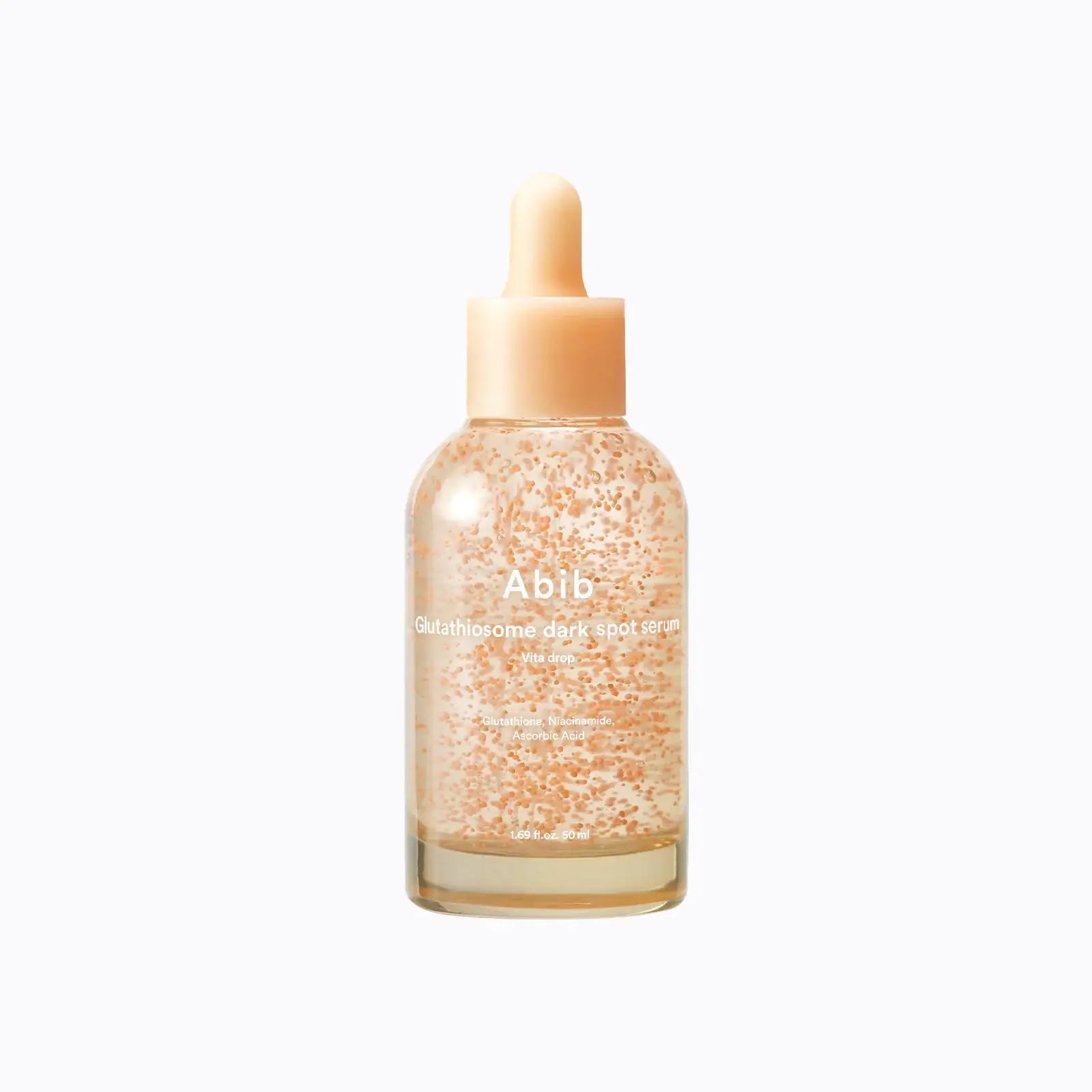
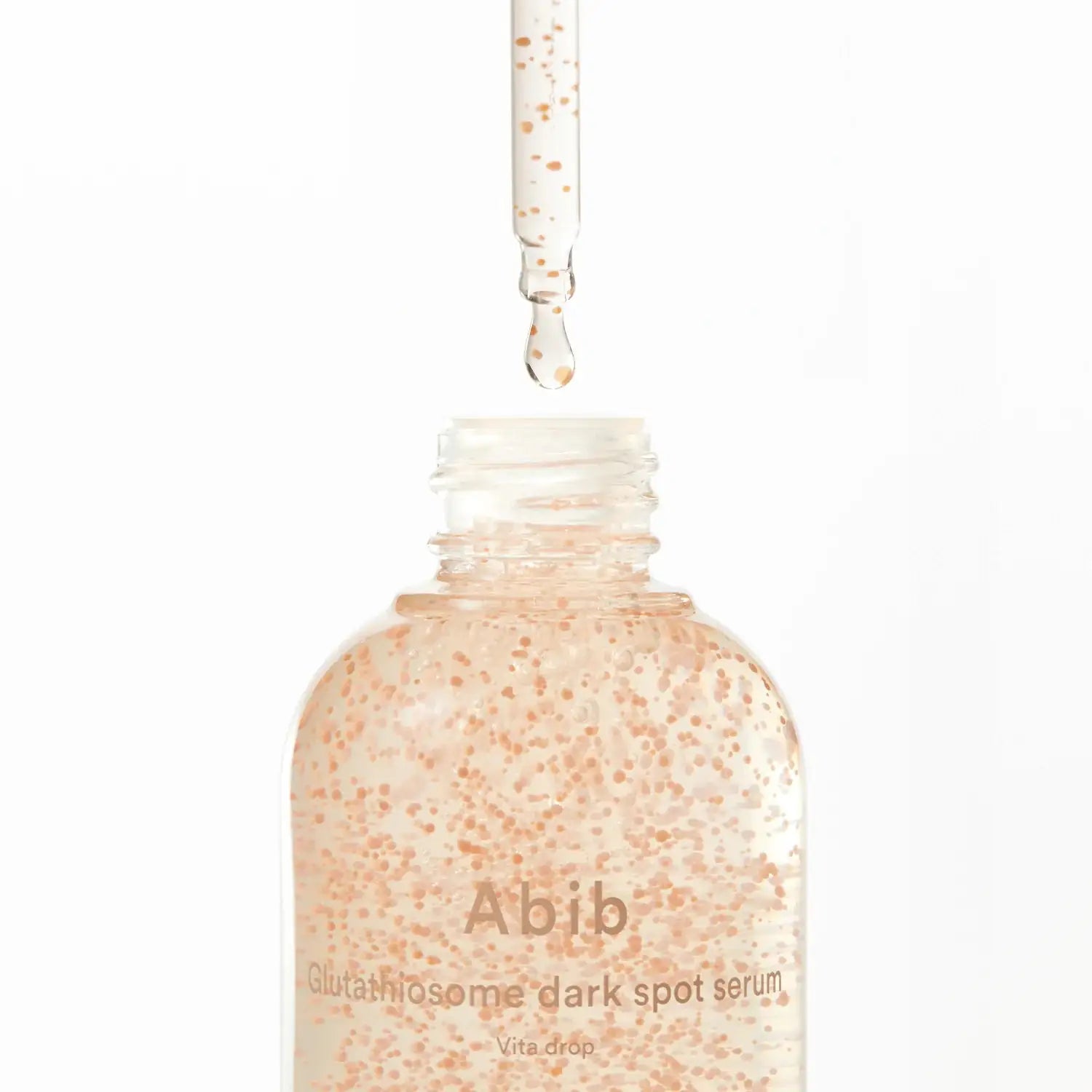
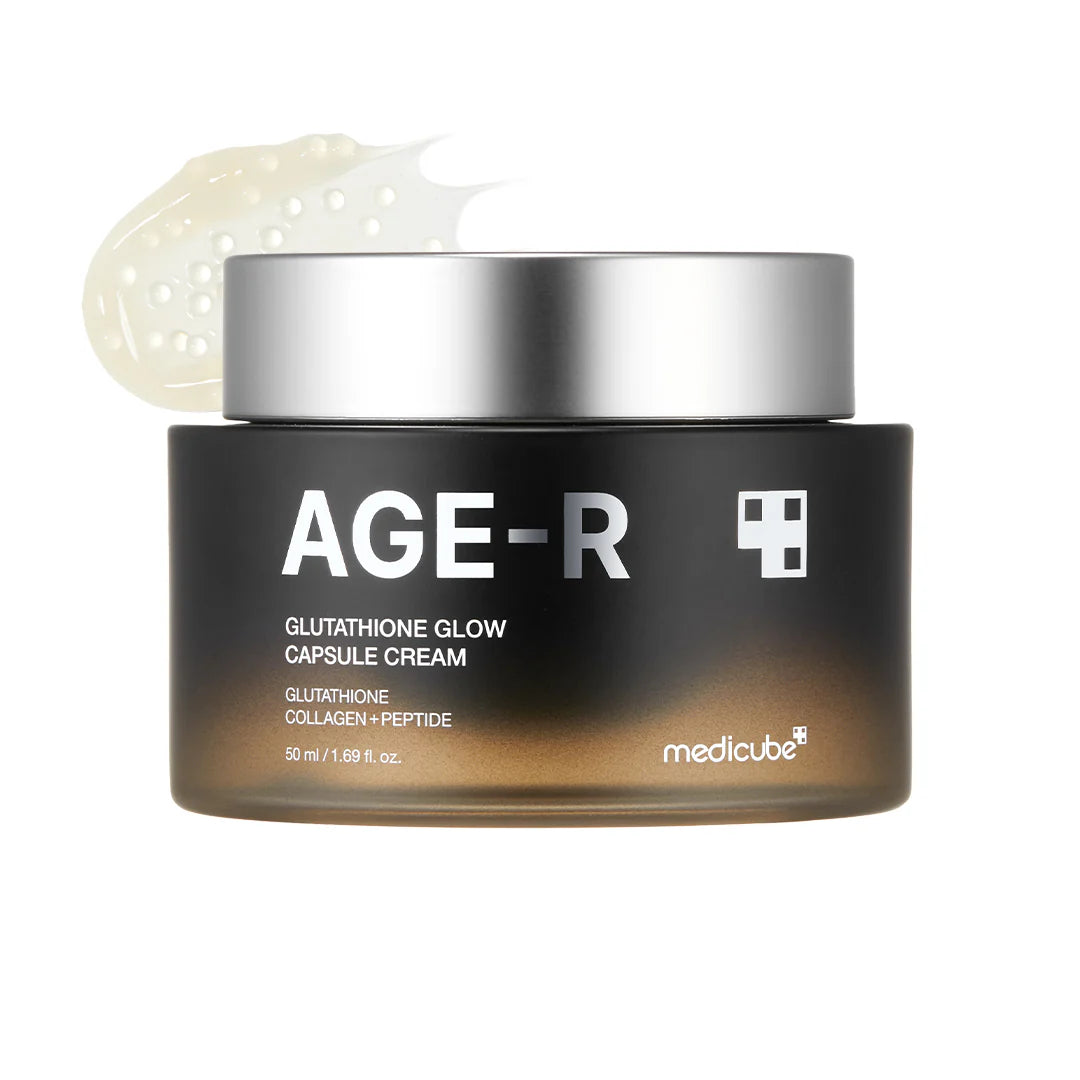



Cream Skin Cerapeptide Refiner
Peptides for the skin: comprehensive guide
Peptides are among the most researched and popular ingredients in modern skincare. You'll find them in serums, creams, eye care, and anti-aging products. They are valued for their ability to support, firm, and visibly reduce signs of skin aging.
What are peptides?
Peptides are short chains of amino acids, the building blocks of proteins such as collagen, elastin, and keratin. These proteins are essential for firm, elastic, and healthy skin.
As we age, the natural production of collagen decreases. This can lead to fine lines, wrinkles, and loss of firmness. Peptides act as messengers that can stimulate the skin to support certain processes, including collagen production.
Simply put: peptides signal the skin to repair and strengthen itself.
History of peptides in skincare
Although amino acids and proteins have been studied for decades, peptides only truly gained attention in the cosmetic industry in the 1990s.
A major breakthrough was the development of so-called "signal peptides." Scientists discovered that certain peptides could stimulate skin cells to produce more collagen. Since then, peptides have grown to become an important ingredient in anti-aging skincare.
Today, various types of peptides are used in both luxury and affordable skincare products.
Properties of peptides
Peptides have several unique properties:
Support natural collagen production.
Help make the skin firmer and more elastic.
Can help reduce fine lines and wrinkles.
Support the repair of the skin barrier.
Often have a soothing effect.
Are generally mild and suitable for daily use.
Work well with ingredients such as hyaluronic acid, niacinamide, and ceramides.
What types of peptides are there?
Signal Peptides
These peptides signal the skin to produce more collagen, elastin, and other structural proteins.
Carrier Peptides
These help transport important trace elements, such as copper, to the skin.
Enzyme Inhibitor Peptides
These can slow down processes responsible for collagen breakdown.
Neurotransmitter Inhibitor Peptides
These are sometimes called "botox-like peptides" because they can help reduce the visibility of expression lines.
For which skin types are peptide serums suitable?
One of the biggest advantages of peptides is that they are suitable for almost all skin types.
Dry skin
Peptides support the skin barrier and help reduce moisture loss. This makes the skin feel more comfortable and supple.
Mature skin
Because peptides support collagen production, they are particularly popular for skin with fine lines, wrinkles, and loss of firmness.
Sensitive skin
Peptides are usually mild and less likely to cause irritation than some active ingredients like strong acids or high concentrations of retinol.
Combination skin
Peptides offer anti-aging benefits without making the skin oily.
Oily and acne-prone skin
Peptide serums often have a light texture and can contribute to skin repair without clogging pores.
What do collagen peptides do for the skin?
Collagen peptides are broken down pieces of collagen that can be more easily absorbed by the skin.
Their main benefits are:
Support skin firmness.
Help the skin appear smoother.
Visibly reduce fine lines.
Support elasticity.
Contribute to a fuller and healthier appearance.
It is important to know that collagen molecules themselves are often too large to penetrate deep into the skin. That's why collagen peptides are used: these smaller fragments are more effective in skincare formulas.
Benefits of peptides for the skin
1. Support collagen production
This is probably the best-known benefit. More collagen means firmer skin with fewer visible wrinkles.
2. Improve elasticity
Peptides help make the skin more resilient.
3. Reduce fine lines
With regular use, the skin can appear smoother and more even.
4. Strengthen the skin barrier
A strong skin barrier protects against dehydration and external influences.
5. Soothe the skin
Many peptide products are suitable for sensitive skin.
6. Indirectly hydrate
Peptides are often combined with hydrating ingredients that make the skin appear plumper.
7. Suitable for long-term use
Peptides are generally safe for daily use, both in the morning and evening.
How do I use peptide serums and creams?
Step 1: Cleanse
Always start with clean skin.
Step 2: Toner or essence (optional)
If desired, apply a hydrating toner or essence.
Step 3: Peptide serum
Apply a few drops of peptide serum to your face and neck.
Step 4: Hydrating cream
Finish with a moisturizer to lock in moisture.
Step 5: SPF during the day
Use a sunscreen with at least SPF 30 every morning.
Can you combine peptides with other ingredients?
Yes, peptides combine excellently with:
Hyaluronic acid
Niacinamide
Ceramides
Panthenol
Centella Asiatica
Antioxidants
Low to medium concentrations of retinol
These combinations are often used to support both hydration and skin rejuvenation.
When will you see results?
Most people notice within a few weeks that their skin feels softer and better hydrated. Visible improvement in firmness and fine lines usually requires consistent use for 8 to 12 weeks.
Results vary by individual and depend on skin type, age, and the formula used.
Buy peptide products at K-Skincare.nl
At K-Skincare.nl, you'll find various Korean skincare products with peptides, collagen, and other anti-aging ingredients. The assortment includes peptide serums, collagen masks, and firming care products from popular K-beauty brands.
Some examples from the range include:
The Centella Phyto & 5 Peptide Concentrate Cream.
The Numbuzin No.9 NAD Bio Lifting Essence.
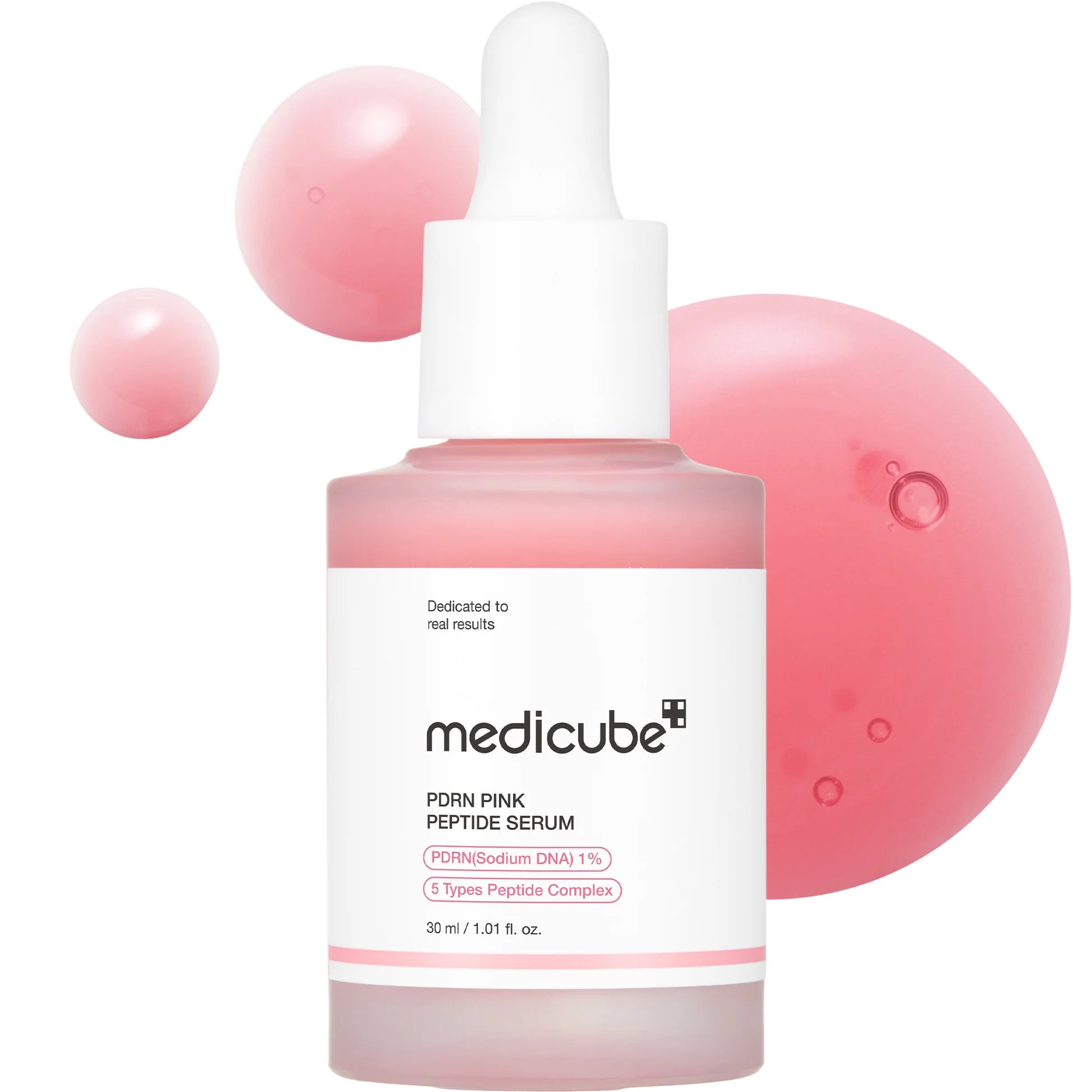
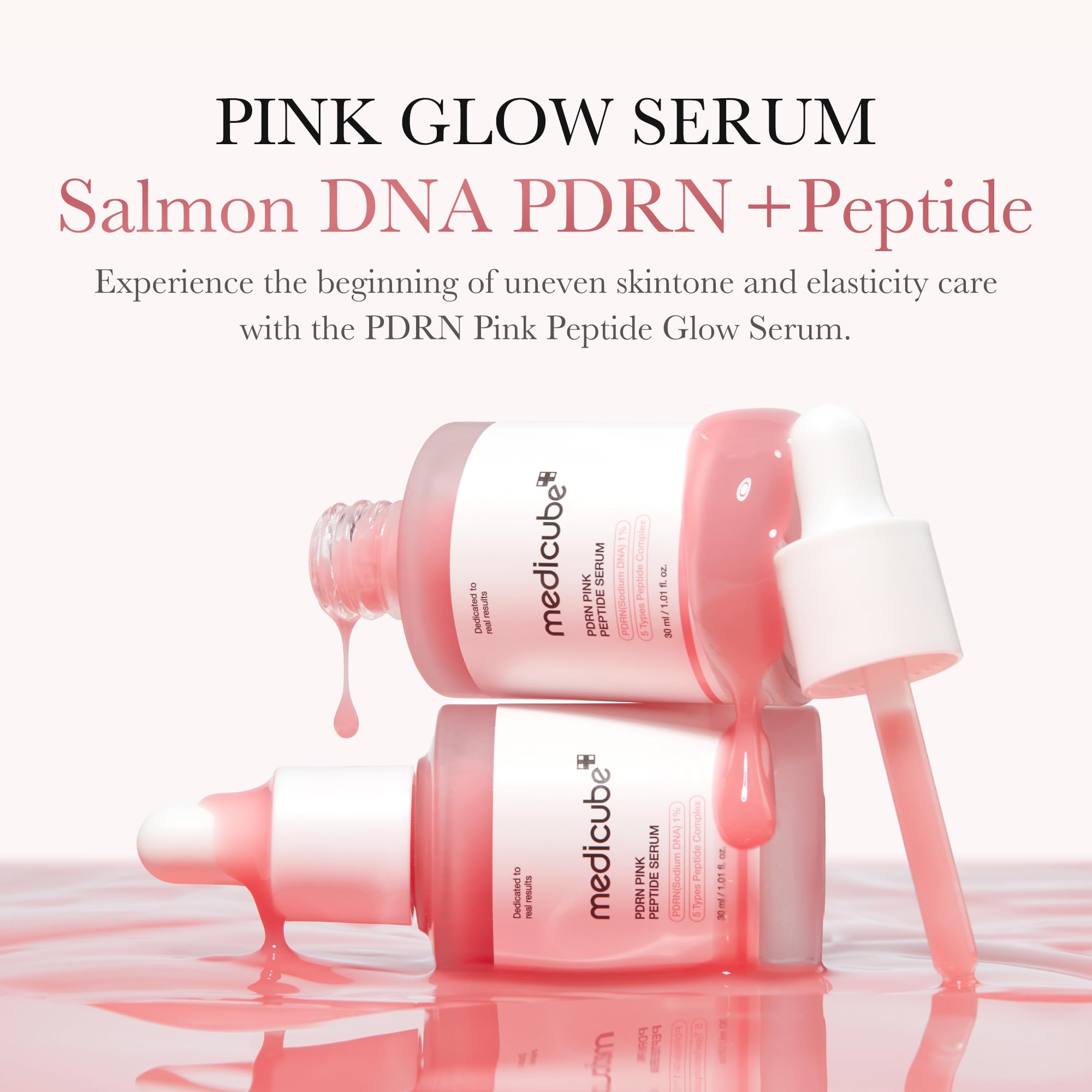
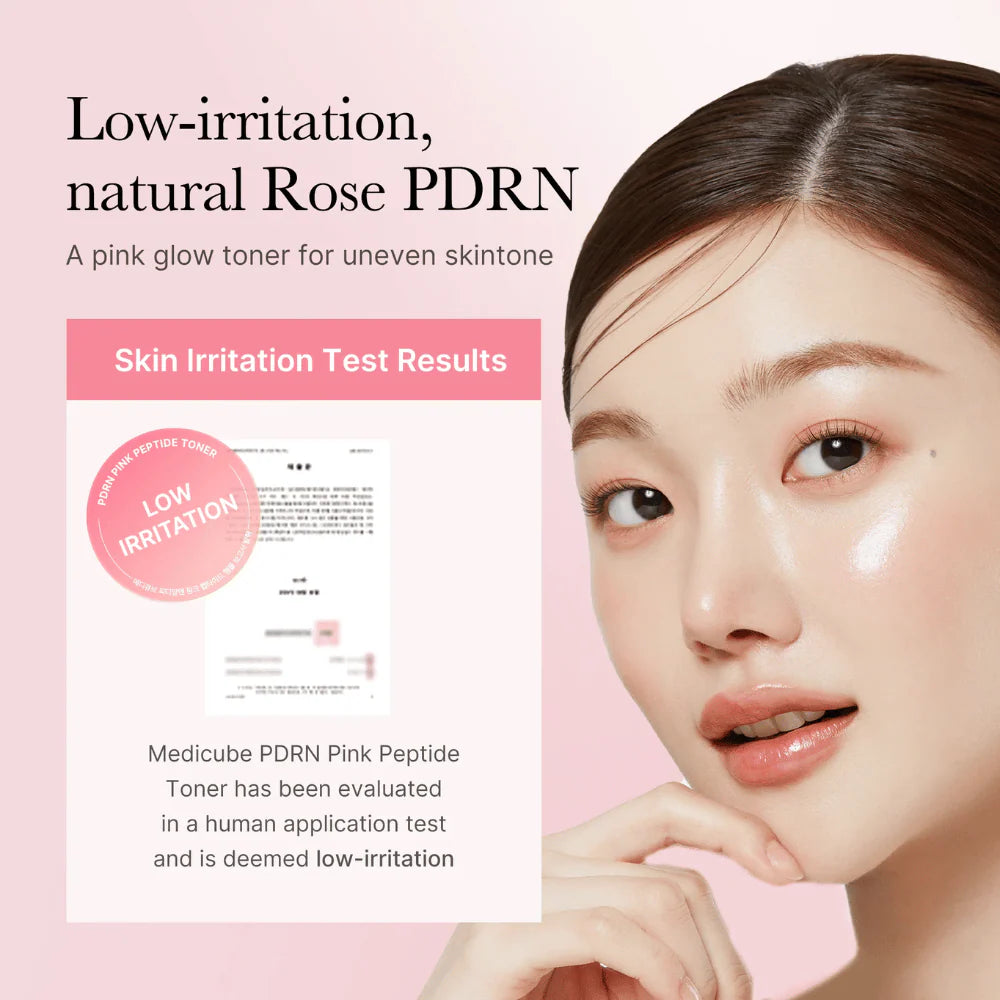
The Medicube PDRN Pink Peptide Serum.
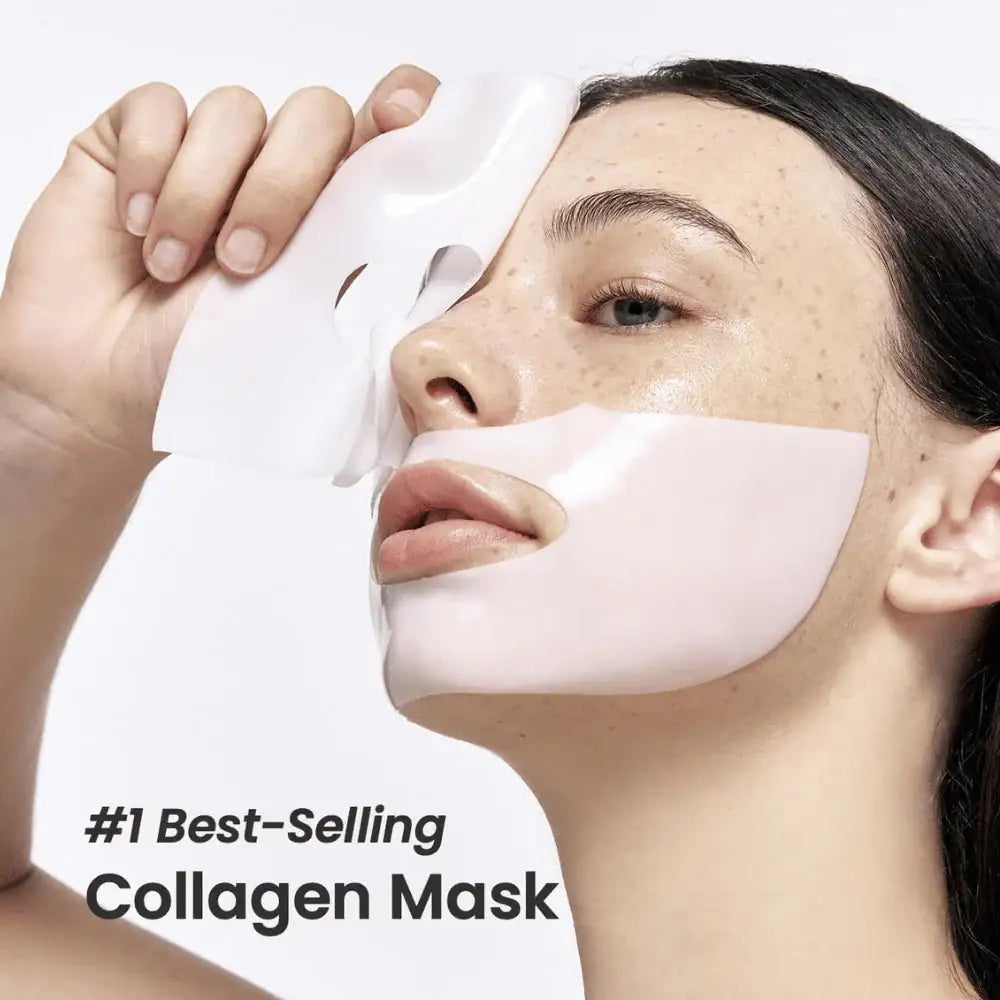
Various collagen masks and collagen creams from Medicube and Biodance.
If you're looking for a serum for fine lines, a firming cream, or a complete anti-aging routine, peptide products can be a valuable addition to your daily skincare.
Conclusion
Peptides are versatile ingredients that help support, firm, and protect the skin. They are suitable for almost all skin types, work well with other active ingredients, and can contribute to smoother, firmer, and younger-looking skin. That's why peptide serums and creams are now a regular part of many effective skincare routines.